Why Gel Nail Extensions Are Better Than Acrylic: A Complete Comparison
july 20, 2025
When it comes to enhancing the beauty and length of your nails, two popular options often come to mind: gel nail extensions and acrylic nails. Both promise stunning results, but they differ significantly in their composition, application, look, feel, and overall impact on your natural nails. For anyone in search of the best nail extensions in Bangalore, understanding these distinctions is key to making an informed choice. This comprehensive comparison will illuminate why gel nail extensions are increasingly becoming the preferred option for many, offering a blend of natural aesthetics, flexibility, and reduced damage.
The Foundation: Understanding Gel vs. Acrylic
At their core, the primary difference between gel and acrylic nails lies in their chemical makeup and curing process.
Acrylic Nails: Acrylics are created by mixing a liquid monomer with a powdered polymer, which then hardens through a chemical reaction when exposed to air. This creates a very strong and rigid layer. Think of it like a hard, protective shell over your natural nail.
Gel Nail Extensions: In contrast, gel nail extensions are made from a liquid gel applied in layers and cured under a UV or LED light. This curing process hardens each layer, creating a flexible yet durable finish. There are different types of gels, including soft gel (often used for gel polish) and hard gel (used for extensions and building strength).
A Head-to-Head Battle: Pros and Cons
Let’s break down the gel nails vs acrylic nails pros and cons, so you can see why gel nail extensions often come out on top.
1. Look and Feel
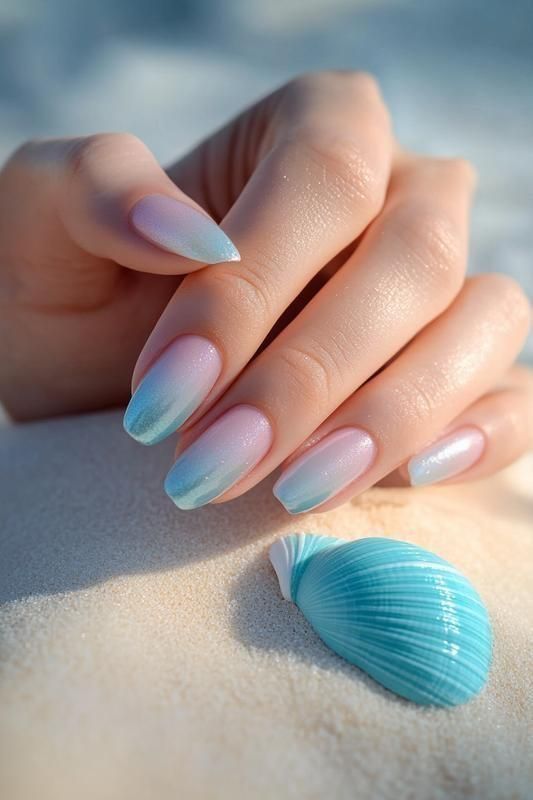
Gel Nail Extensions: This is where gels truly shine. They offer a much more natural, glossy, and lightweight appearance. Gel nail extensions are flexible, mimicking the slight bend of natural nails, which contributes to a more comfortable feel and reduces the likelihood of jarring breaks. They also tend to have a clearer, more translucent finish, which can be particularly appealing for a subtle, elegant look.
Acrylic Nails: Acrylics are generally thicker and more opaque. While they can be shaped beautifully, they often have a more artificial or "bulky" feel. Their rigidity, while offering strength, can also make them feel less natural and more prone to snapping if subjected to impact, as they lack the flexibility of gels.
2. Application Process
Gel Nail Extensions: The application process for gels is typically more pleasant. There’s virtually no strong chemical odor, making it a more comfortable experience for both the client and the technician. Each layer is applied and then cured under a UV or LED lamp, allowing the technician more time to sculpt and perfect the shape before hardening. This precision can lead to a more refined finish.
Acrylic Nails: Acrylic application involves a distinct, strong chemical odor due to the monomer liquid. The mixture hardens quickly once applied, requiring the technician to work swiftly and with precision. This can sometimes lead to a less refined initial shape, necessitating more filing afterward.
3. Durability and Longevity
Gel Nail Extensions: Gel nail extensions are known for their durability, often lasting 2-3 weeks without chipping or lifting, provided they are applied and maintained correctly. Their flexibility makes them less prone to cracking.
Acrylic Nails: Acrylics are incredibly strong and can withstand significant wear and tear, often lasting 3-4 weeks. This strength makes them a popular choice for those who are particularly rough on their hands or desire extreme lengths. However, their rigidity can also lead to more catastrophic breaks if they snag or get caught, potentially damaging the natural nail underneath.
4. Damage to Natural Nails
Gel Nail Extensions: When applied and removed correctly by a skilled professional, gel nail extensions are generally considered less damaging to natural nails. The removal process typically involves soaking in acetone for soft gels, or careful filing for hard gels, both of which are less aggressive than the typical acrylic removal.
Acrylic Nails: Acrylics can be more damaging to natural nails, especially if not applied or removed properly. The rigorous filing often involved in both application and removal can thin the natural nail plate over time. Additionally, improper removal can lead to peeling and significant weakening of the natural nail.
5. Maintenance and Removal
Gel Nail Extensions: Maintenance for gels involves refills every 2-3 weeks, similar to acrylics. Soft gels are easily soaked off with acetone, making at-home removal (with proper guidance) possible, though professional removal is always recommended to protect your natural nails. Hard gels, however, need to be filed off.
Acrylic Nails: Acrylics also require refills every 2-3 weeks. Removal typically involves soaking in acetone, followed by filing. The process can be quite lengthy and, if not done with extreme care, can be harsh on the natural nail.
6. Cost
Generally, gel nail extensions tend to be slightly more expensive than acrylics due to the materials used and the curing equipment required. However, prices can vary significantly depending on the salon, technician’s experience, and complexity of the design.
Why Gel Nail Extensions Are a Growing Favorite
Considering all these factors, it becomes clear why many are gravitating towards gel nail extensions:
- Natural Aesthetics: For those who desire nails that look and feel as close to natural as possible, gels are the undisputed winner. Their lightweight and flexible nature makes them incredibly comfortable for everyday wear.
- Reduced Damage: The gentler application and removal process of gels, particularly soft gels, significantly reduces the risk of damage to your natural nail bed, promoting healthier nail growth over time.
- Odorless Application: The absence of strong chemical fumes during application is a major advantage for both clients and technicians, making the salon experience much more pleasant.
- Versatility: While acrylics are great for extreme lengths and 3D art, gels offer a vast array of colors, finishes, and the ability to create beautiful, glossy, and refined designs. Many technicians are also skilled in creating intricate nail art with gels.
Finding Your Perfect Nail Salon in Bangalore
Whether you decide on the natural elegance of gel nail extensions or the robust strength of acrylics, choosing the right salon and technician is paramount. For those in Bangalore, especially residents of Basaveshwara Nagar, there are several reputable nail salons in Basaveshwara Nagar offering high-quality services.
When searching for the best nail extensions in Bangalore, look for salons that prioritize hygiene, use high-quality products, and employ experienced, certified nail technicians. A good technician will take the time to consult with you, assess your natural nail health, and recommend the best option for your lifestyle and desired look. They should also be transparent about the application and removal processes, as well as aftercare instructions.
In Basaveshwara Nagar, you’ll find a growing number of establishments specializing in nail care. Look for salons with positive reviews regarding their nail extension services, especially for gels. Asking for recommendations from friends or checking online platforms for customer feedback can guide you to a reliable and skilled nail artist.
Conclusion
While both gel and acrylic nails offer fantastic ways to enhance your manicure, gel nail extensions stand out for their natural look and feel, flexibility, reduced chemical exposure during application, and generally gentler impact on your natural nails. If you’re seeking a durable, beautiful, and healthier alternative for your nails, exploring gel nail extensions in Basaveshwara Nagar is definitely recommended. With numerous excellent nail salons in Basaveshwara Nagar, achieving your dream manicure is more accessible than ever. So, go ahead and treat your nails to the beauty and comfort they deserve!